Currently Empty: $0.00
How Toys Can Boost Emotional Development
Introduction
Toys are more than just fun. They help children understand feelings, learn about others, and practice handling emotions. Playing gives kids a safe way to explore the world and their own feelings. Through play, children can learn about kindness, patience, creativity, and confidence—all while having fun.
1. Caring for Others
Playing with dolls, stuffed animals, or action figures teaches kids to care for someone else. They can feed a doll, tuck it into bed, or pretend it is sick. This helps children understand that others have feelings and shows them how to be kind. When kids act out caring for toys, they are also practicing empathy. They start to think about how other people feel and what makes them happy or sad. These early lessons help children build strong, caring relationships as they grow.
2. Learning Patience
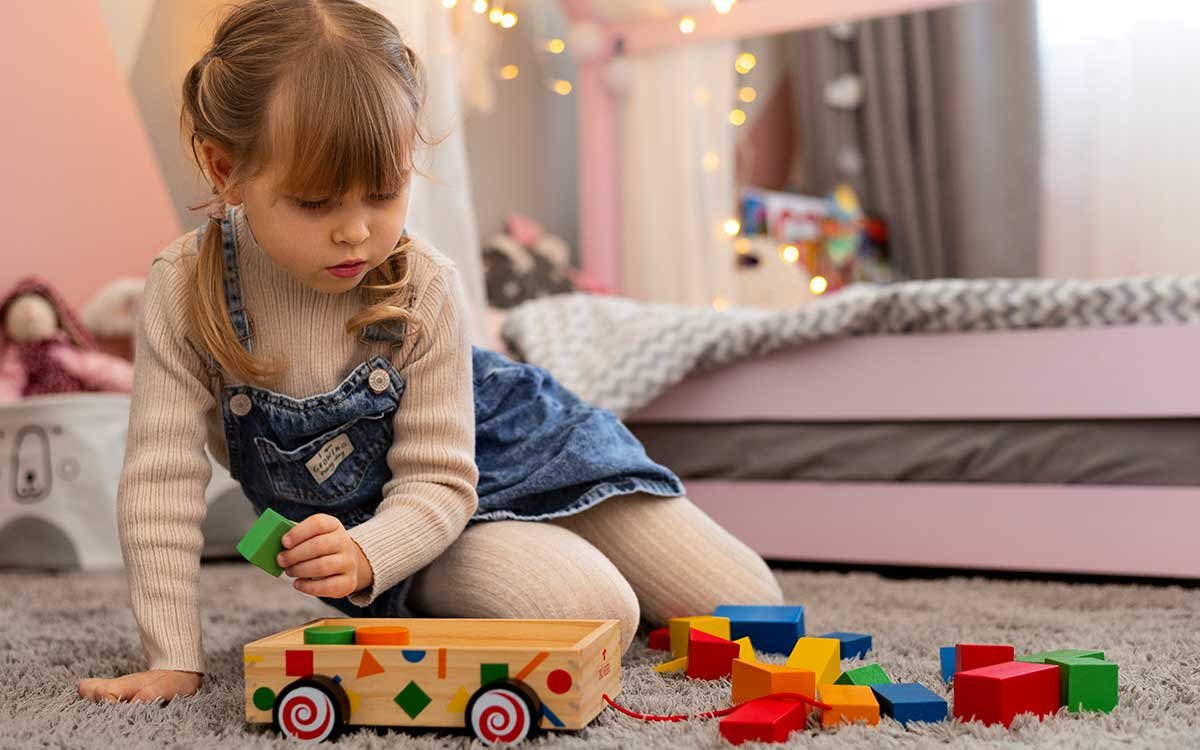
Toys like blocks, puzzles, or building sets teach patience and problem-solving. Sometimes the blocks fall, and kids may feel frustrated. Learning to calm down and try again helps children manage disappointment and stay focused. This kind of play also teaches perseverance. Kids learn that some things take time and effort, which is an important skill for school and life. Even simple toys can show children that practice and patience lead to success, helping them feel proud when they finally finish a puzzle or build a tower.
3. Pretending and Exploring Feelings
Imaginative play with dollhouses, toy kitchens, or dress-up sets helps children act out real-life situations. Kids can try being a parent, teacher, or superhero. Pretending lets them explore different feelings like happiness, sadness, or excitement safely. It also allows children to practice social skills, like sharing or solving conflicts. They can act out scenarios they’ve seen in real life or create new ones. This helps children understand emotions and what different situations might feel like for themselves and others.
4. Expressing Emotions Creatively
Toys that let children draw, paint, or play with clay help them show how they feel. Expressing emotions through art helps children understand and communicate their feelings. It also makes them feel proud and less stressed. Even simple coloring sets or modeling clay can give kids a way to express anger, joy, or sadness safely. Over time, this creative play can make children more confident in sharing their feelings with parents, teachers, and friends.
5. Playing Together
Parents and caregivers can join in to help children grow emotionally. Asking questions like “How does your doll feel?” or “What will happen if the blocks fall?” helps kids think about feelings and solve problems. Playing together also makes children feel safe and supported. It builds trust and strengthens family bonds while giving children examples of empathy, patience, and problem-solving. Even a few minutes of shared playtime each day can make a big difference in a child’s emotional growth.
Conclusion
Toys are not just for fun—they help children grow emotionally. Dolls, puzzles, blocks, art supplies, and dress-up sets all help kids learn about feelings, caring, patience, creativity, and confidence. Giving children the right toys and time to play helps them become happy, thoughtful, and confident. Play is an important part of learning about emotions, and children who spend time exploring their feelings through toys often become more understanding and compassionate as they grow.





0 Comments
This is exactly what i was looking for, thank you so much for these tutorials