
Currently Empty: $0.00
Fun Ways to Play with Imaginative Toys
Introduction
Imaginative toys open the door to a world of creativity, storytelling, and joyful play. These toys let children build their own adventures instead of following fixed rules. For companies that sell handmade toys and crafts, this kind of play is especially meaningful because handmade toys feel natural, warm, and full of character. They invite children to think freely and create moments that support learning and emotional growth. Here are some fun and simple ways kids can enjoy imaginative toys every day.
1. Create Stories with Handmade Dolls and Figures
Handmade dolls, animals, and small wooden figures are perfect for storytelling. Children can invent characters, develop scenes, and act out events that come from their imagination. One day the doll could be a doctor, and the next day a brave explorer. This type of open-ended play helps kids improve language skills, express emotions, and understand different roles in the world around them. It also builds confidence, as children learn to share and communicate their ideas through stories.
2. Build Mini Worlds with Simple Props
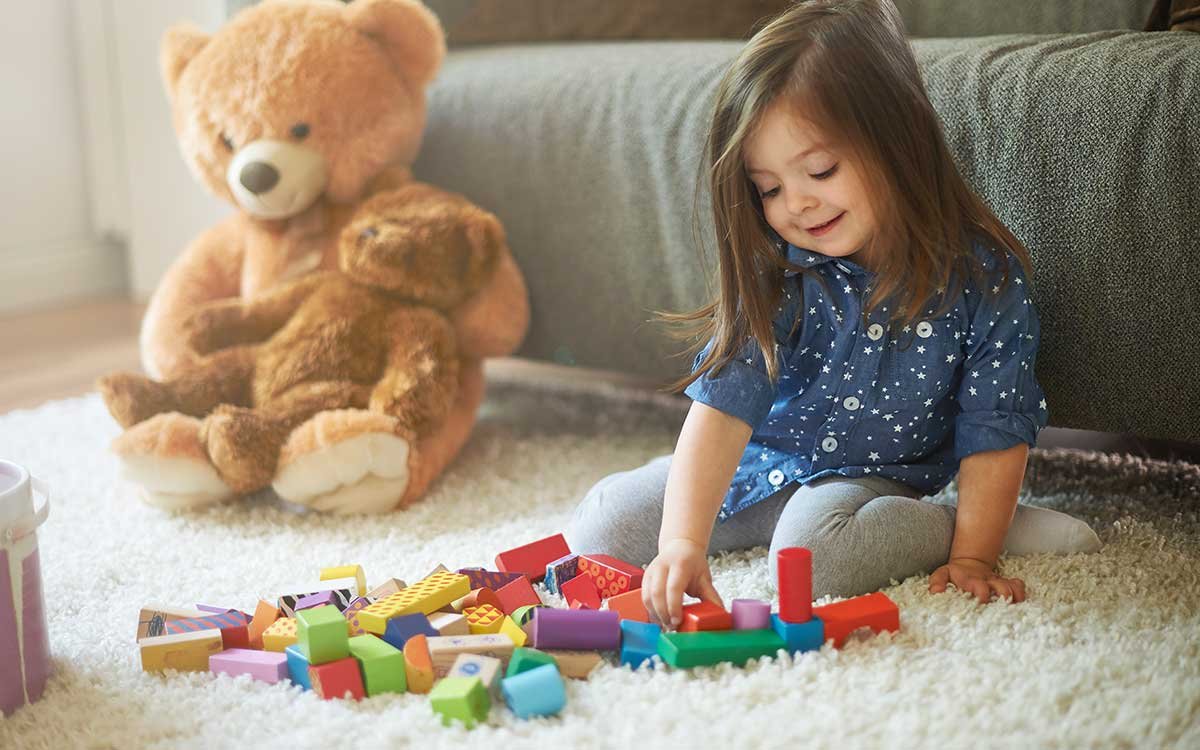
Imaginative toys become even more exciting when kids build small worlds around them. Using wooden blocks, fabric scraps, craft pieces, or natural items like leaves and stones, children can create forests, cities, or tiny homes for their toys. Handmade toys easily blend into these settings because of their simple design and warm appearance. Building these small worlds teaches kids about spatial thinking, planning, and creativity. It also keeps them engaged for long periods as they create, adjust, and rebuild their scenes.
3. Make Art and Crafts Inspired by Their Toys
Toys can spark creativity beyond playtime. Children can draw their toys, make outfits for them, or create accessories using safe craft materials. For example, they might design a small bed for a soft toy or paint a background for a story scene. Handmade toys encourage this because they often have unique shapes and textures that inspire new ideas. Crafting with toys strengthens fine motor skills and teaches kids how to turn imagination into something they can touch and see.
4. Turn Everyday Moments into Role-Play Adventures
Role-play is one of the most exciting ways to use imaginative toys. Children can pretend to run a shop, cook in a pretend kitchen, or explore a jungle—all with the help of simple toys. A handmade toy animal can become a safari companion, while a soft doll can join a pretend tea party. These activities help children practise social skills, problem-solving, and emotional understanding. Role-play also encourages kids to observe the world and recreate it in their own way.
5. Mix and Match Different Toys for New Games
Imaginative play becomes even richer when children combine different toys. A wooden block can become a mountain for a toy tiger, while a craft-made boat can carry a small doll across a pretend ocean. Handmade toys work well this way because they are open-ended and not tied to one theme. Mixing toys helps children understand that one object can have many uses. This builds flexible thinking and supports creative problem-solving.
Conclusion
Imaginative toys give children endless ways to explore, create stories, and express themselves. Handmade toys are perfect for this kind of play because they encourage curiosity and feel personal and meaningful. By using these simple and fun play ideas, children can enjoy hours of creativity while building important skills that grow with them.